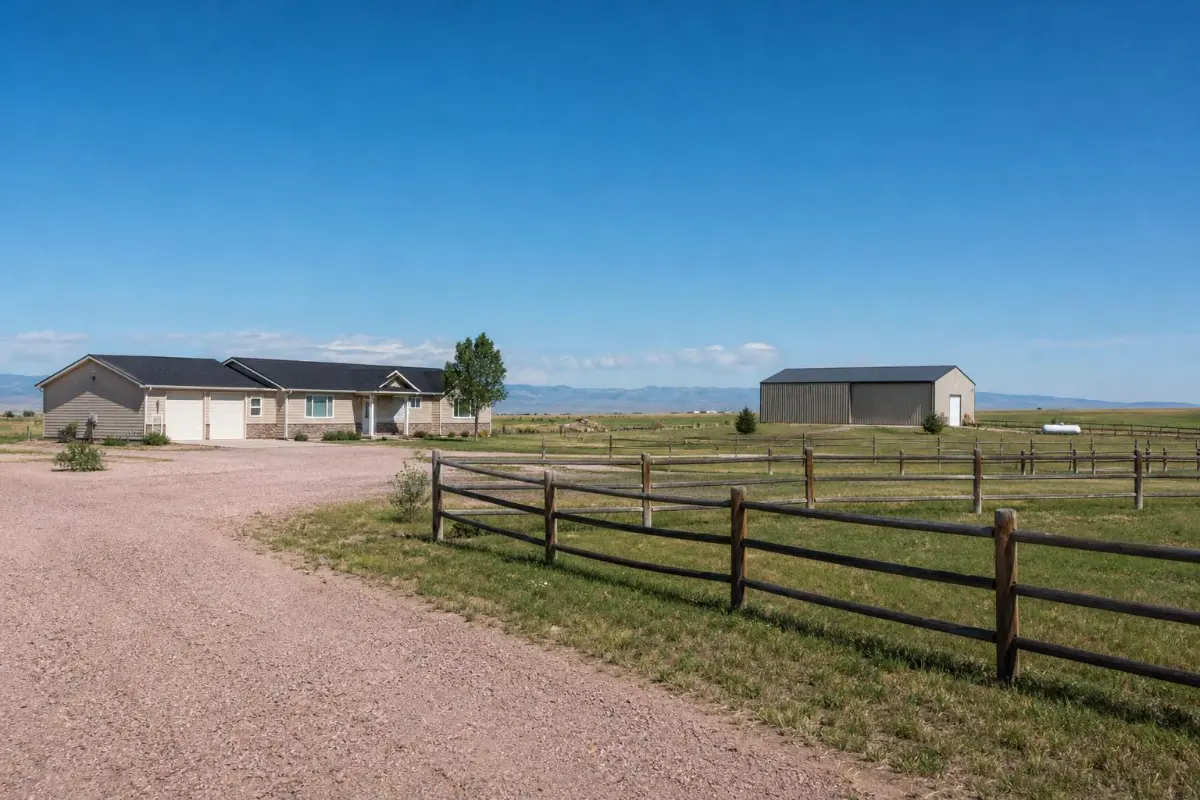
Rural El Paso County, along US 24
Foundation Repair in Peyton, CO
Cracked slab, sinking porch or storm water running at the house? Call or send a request to be connected with an independent foundation repair contractor who serves the Peyton area.
Rural El Paso County, along US 24
Cracked slab, sinking porch or storm water running at the house? Call or send a request to be connected with an independent foundation repair contractor who serves the Peyton area.
Peyton is a rural community in unincorporated El Paso County, on US 24 between Colorado Springs and Limon, at about 6,877 feet. Homes here range from subdivision lots to acreage at the end of long gravel roads. If you have noticed cracks, a sinking slab or water around the foundation, call or send a short request. Colorado Springs Foundation Repair Help is an independent referral service, not a foundation repair company. Requests from the Peyton area go to an independent third-party foundation repair contractor, and that company alone sets the price, schedule, warranty and terms. The referral is free, and coverage is confirmed address by address. Callbacks and on-site availability vary, particularly for properties far from the highway.
George Peyton settled here in 1888, and the town was platted on Christmas Day that year after the post office turned down the first name, Mayfield. The Rock Island Railroad drove early growth, and the volunteer fire department formed in 1954. The Peyton census-designated place is small, 214 people in the 2020 Census, but the 80831 ZIP code covers about 189 square miles, 33,912 people and 11,817 housing units, with a median owner-occupied home value of $548,800 (Census Reporter). That ZIP also includes Falcon, so a Peyton address can be a newer subdivision home or an older house on acreage. Homestead Ranch Regional Park is in the Peyton area (El Paso County Parks).
The federal soil survey includes a Peyton soil series: a fine-loamy, well-drained soil with moderate permeability that formed in thick alluvial fan deposits from formations with arkosic properties. It occurs on upland ridges, fans and valley side slopes between 5,600 and 8,000 feet in east-central Colorado and is used mostly as pasture or cropland. Its official type location is actually in Douglas County, and not every Peyton lot sits on it, so a soils report or an engineer is the only way to know what is under your house. The Colorado Geological Survey also notes that swelling clay soil and rock are more common on the plains and valley sides than in the mountains.
Peyton lies in the Upper Black Squirrel Creek designated groundwater basin area. A USGS report using 2021 to 2024 data says people in the area's designated basins rely mainly on groundwater, that the basin's alluvial aquifer supplies most of the water for irrigation, and that average depth to water in its alluvial monitoring wells ranged from roughly 11 to 64 feet over the study period. Conditions vary widely, and the report gives no single figure for Peyton. If your property has a well or septic system, tell the contractor where they are before any digging is planned.
Storm runoff on the plains can be violent. In June 2023, floodwater took out part of Peyton Highway, leaving about a 12-foot drop and a gap about 6 feet wide at the approach to a bridge that held (KOAA). On July 31, 2026, NWS Pueblo issued a flash flood warning for Peyton and Ellicott that covered about 25,000 residents, though no damage was reported (The Gazette). El Paso County's drainage basin studies include a Black Squirrel Creek plan from 1989. On a rural lot, watch where water goes in a heavy storm. Runoff that pools against a foundation or scours along a wall needs to be redirected before it does damage.
Rural properties raise questions city lots do not. For a manufactured home, ask whether it sits on a permanent foundation or on piers with tie-downs, since the right repair depends on which. For barns, shops and other outbuildings, describe the building and its slab when you call. Give the full address, the nearest crossroads and any gate notes so the contractor can find you.
Peyton has no town government, so the Pikes Peak Regional Building Department issues building permits, as it does for the rest of unincorporated El Paso County. PPRBD's disaster page says flood or water damage typically needs no permit unless there is structural or foundation damage, and a contractor you hire must hold a PPRBD license in good standing to pull one (PPRBD homeowner permits). Colorado has no statewide general contractor license, and the state's Stop Fraud Colorado site advises checking local licensing, getting bids from at least three businesses and being wary of anyone asking for more than 10 percent of costs up front.
Requests from the Peyton area often involve cracked slabs and basement walls, settling porches and steps, drainage fixes after summer storms, outbuilding slabs, and foundation questions on acreage homes.
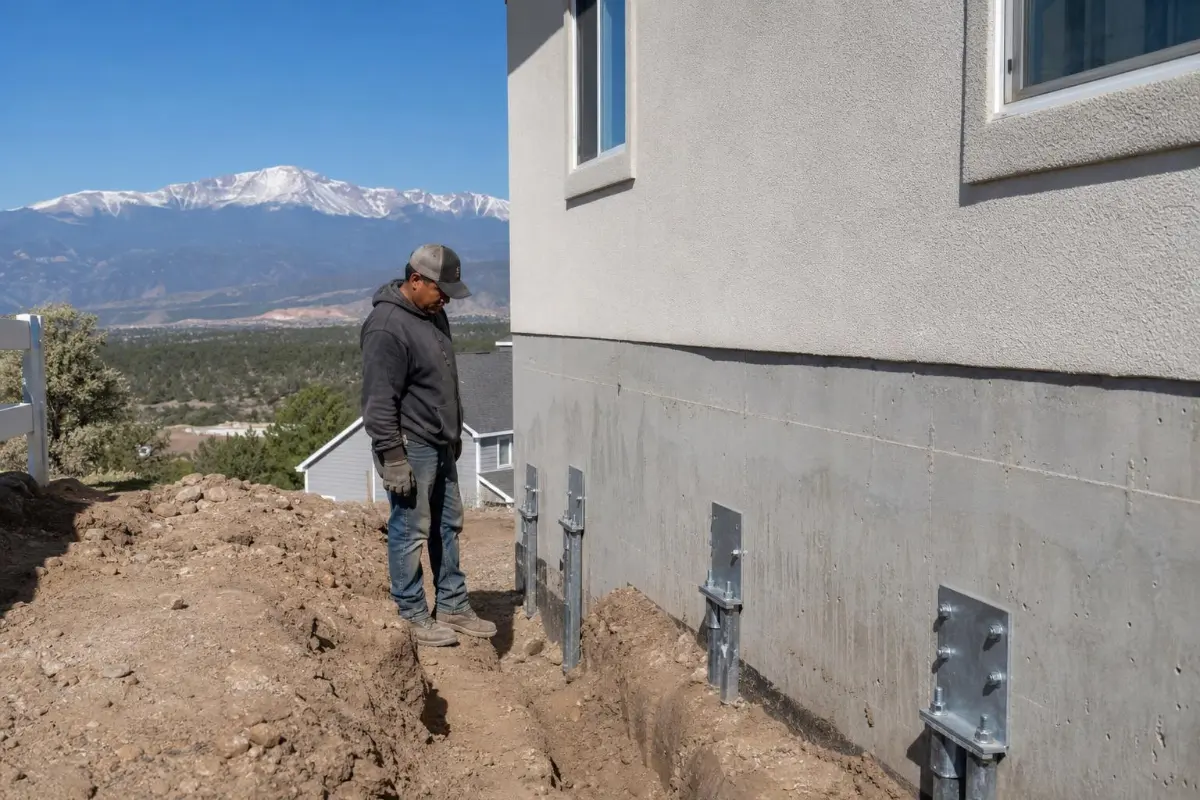
No charge to be connected with an independent foundation repair contractor who serves the Peyton area.
Coverage is confirmed by address, from subdivisions to acreage.
Mention barns, shops and other slabs when you call.
Yes, where the contractor's coverage reaches. Coverage is confirmed by address, which matters for acreage well off US 24. The referral is free.
The Pikes Peak Regional Building Department, since Peyton is in unincorporated El Paso County. PPRBD says water damage typically needs no permit unless there is structural or foundation damage.
Ask when you call. Say whether the home sits on a permanent foundation or on piers with tie-downs, so the contractor can tell you whether it handles that kind of work.
Not necessarily. The Peyton series is a well-drained loam mapped across east-central Colorado, but its type location is in Douglas County and soils vary by lot. A soils report or engineer can tell you what is under your home.
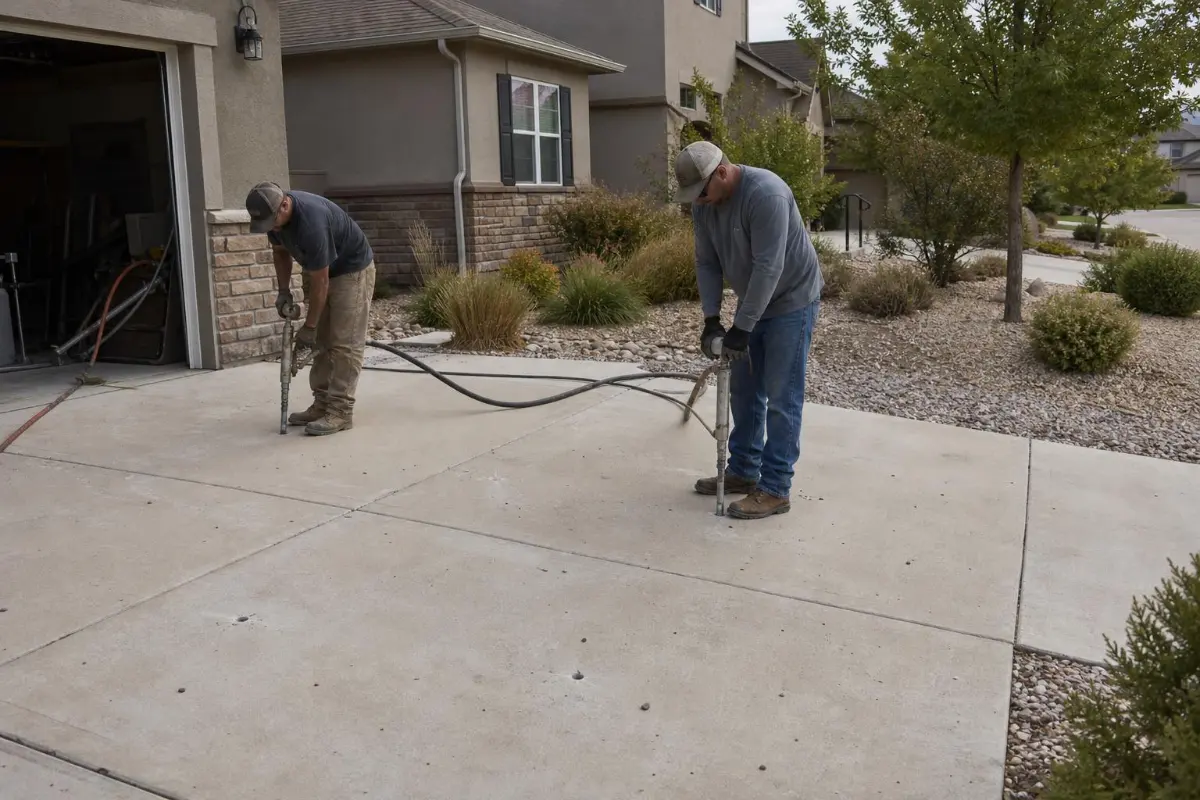
Peyton-area homeowners: call or send a request to be connected with an independent foundation repair contractor.
Free — no obligations